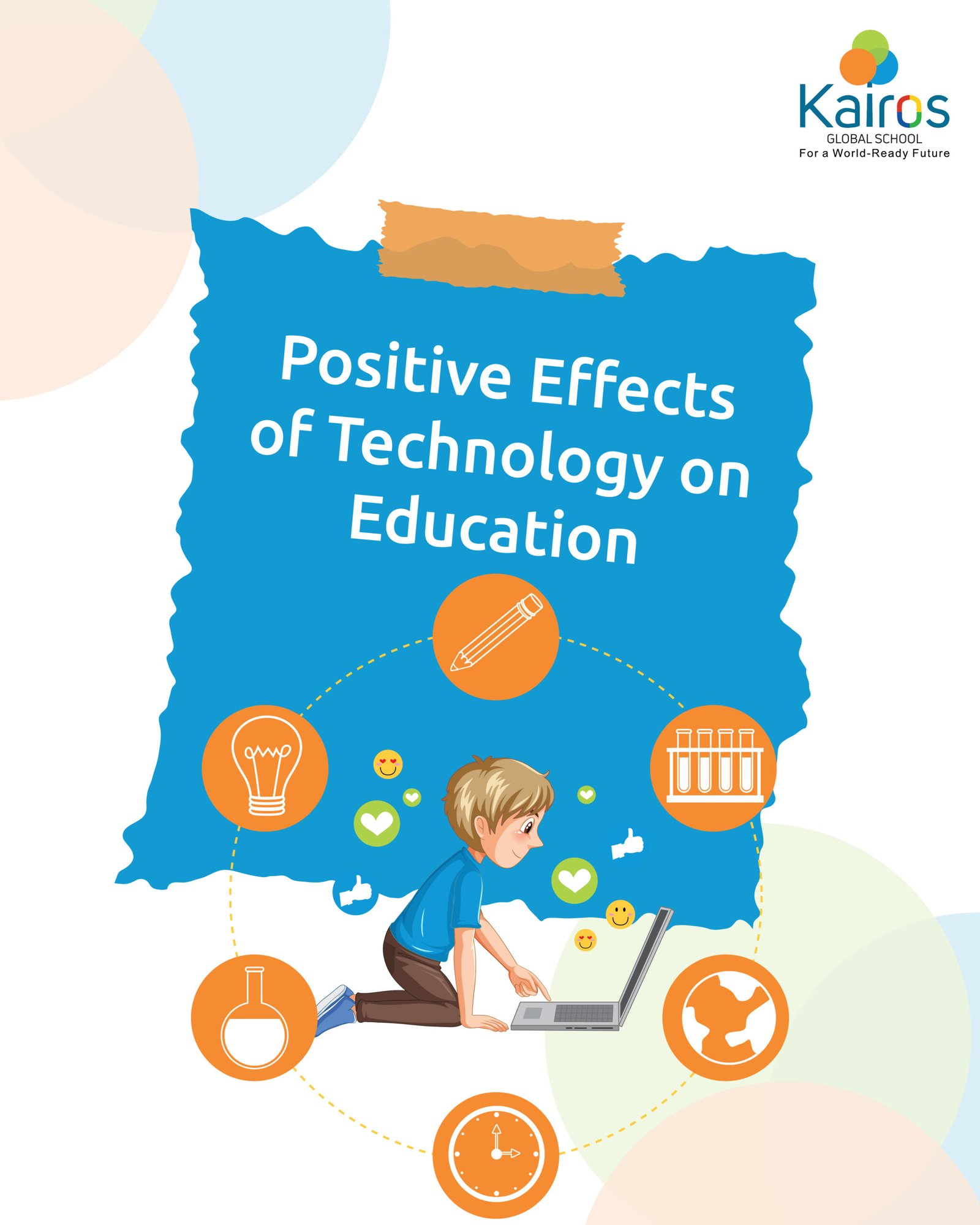
10 positive effects of technology on education
“Technology can become the “wings” that will allow the educational world to fly farther and faster than ever before- if we allow it.”
Educational technology is the combined use of digital tools and educational theory and practices to facilitate learning. It can improve and create more inclusive and engaging learning experiences.
Here are some of the benefits of including technology in education.
- Enhance Engagement: Technology in the classroom makes learning more interactive, engaging and lively. Educational apps, multimedia and interactive whiteboards captures student’s attention and stimulates interest in the subject matter.
- Access to Information: Technology provides immediate access to a vast and ever-evolving amount of information. This access allows students to explore topics in depth, conduct research and stay updated on current events, enriching the learning experiences. It enables better integration and interaction between students and instructors.
- Personalized Learning: Effective use of technology helps education to be individualized for each student allowing for better differentiation and to work for mastery at their own pace. Thus the students can practice core content and skills while the teacher can work with others, conduct assessments or perform other task.
- Collaborative Learning: Digital platforms and tools facilitate collaborative learning where students can work together on projects, share ideas and collaborate in real time using collaborative software, preparing them for collaborative work environment.
- Preparation for the Digital Era: Integrating technology prepares students for the demand of the modern work force. Familiarity with the digital tools and platforms equips them with essential skills for success in a technology-driven society.
- Global Connectivity: Technology fosters global connectivity within the classroom. It enables virtual collaboration for projects and discussions.
- Efficiency in Teaching: Digital tools for lesson planning, grading and communication allows teachers to manage their work load more efficiently, freeing up time for more focused instruction.
- Resource Diversity: It expands the range of educational resources available to the students in the form of online textbooks, multimedia presentations and educational apps offering diverse learning material that cater different learning styles and preferences.
- Customized Assessment: It enables innovative assessment methods such as online quizzes, interactive assignments and games to evaluate student’s understandings.
- Lifelong Skills: It encourages the development of critical thinking, problem solving and digital literacy skills. This skill is not only beneficial for academic success but also prepares students for a lifetime of continuous learning in an ever-evolving technological landscape.
As rightly said by David Warlick, “We need technology in every classroom and in every student and teachers hand because it is the pen and paper of our time and it is the lens through which we experience much of our world.”
We witness profound impact of digital tools on learning experiences, hence it is right to integrate technology into our classrooms. It can transform education, making it more inclusive and impactful for learners worldwide.
By Mrs. Jessica J Daimari.
Primary Coordinator.