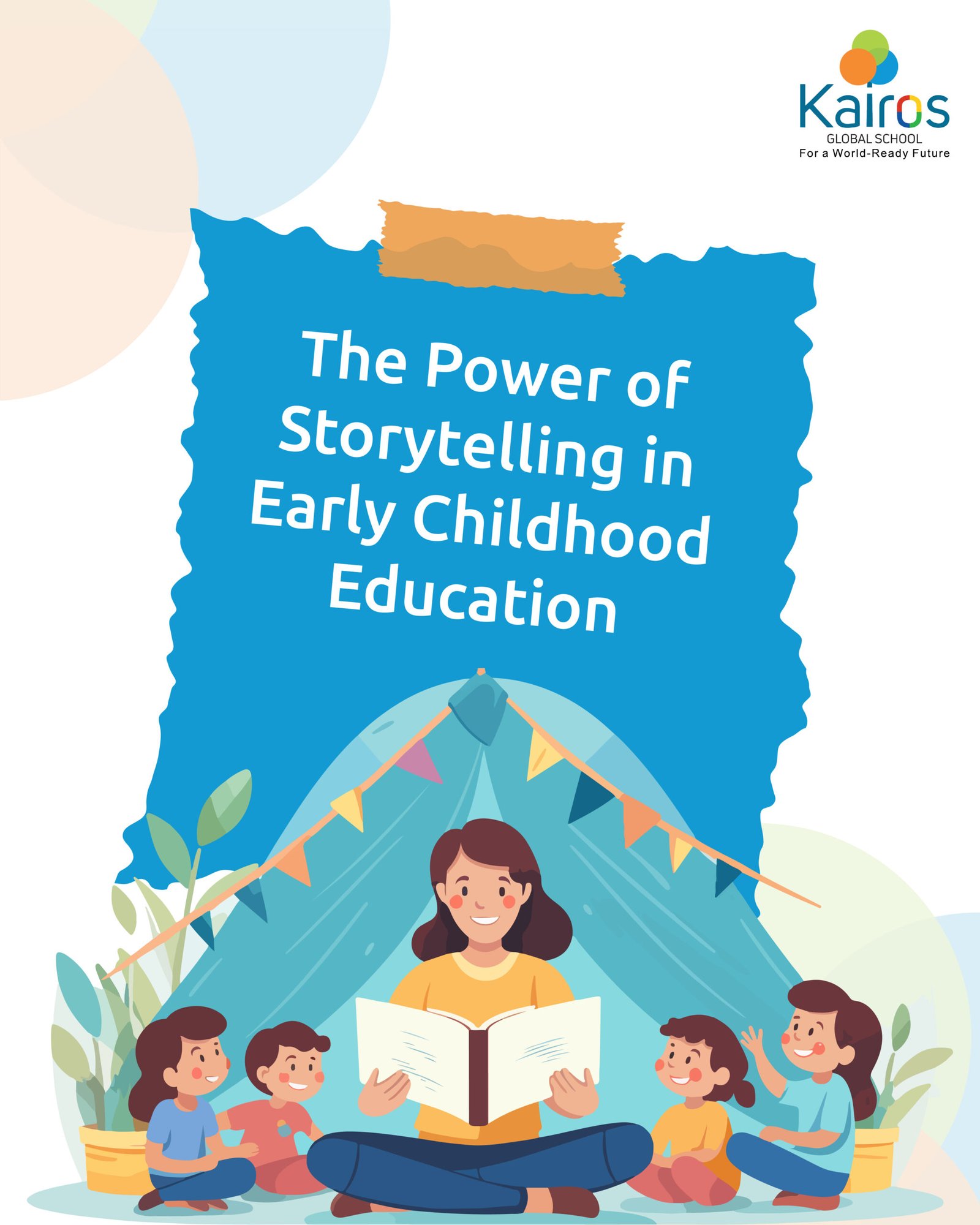
The Power of Storytelling in Early Childhood Education
Storytelling is a timeless art form that has been captivating audiences and passing down wisdom for generations. It is especially impactful for children, engaging their imagination while teaching them essential life lessons. In many cultures, storytelling has always been more central than reading or writing, and for good reason: our brains are wired to connect with stories. In this blog, we delve into the remarkable benefits of storytelling for children and why it should be an integral part of their early development.
Why Storytelling Matters for Children?
1. Cultivates Creative Thinking and Imagination
Storytelling without visual aids challenges children to visualize the narrative, characters, and settings in their minds, which enhances their creativity. Teachers can further encourage this skill by asking children to draw scenes or invent alternate endings to the story, promoting imaginative thinking.
2. Improves Listening Skills
Parents often notice that their children become attentive listeners during storytelling sessions. Stories captivate their curiosity—they want to understand the characters, anticipate the outcomes, and grasp the moral of the story. This practice naturally develops their listening skills, which are essential for effective communication and learning as they grow.
3. Instills Values and Morals
Stories often carry powerful messages, teaching children values like honesty, courage, kindness, and perseverance. By relating to characters and scenarios, children internalize these lessons and begin to understand the importance of making ethical decisions.
4. Simplifies Academic Learning
Storytelling can transform challenging academic concepts into engaging narratives. For instance, history lessons can be turned into fascinating stories about past events, helping children better understand and remember key information. By connecting learning with storytelling, children can develop a deeper appreciation for their studies.
5. Enhances Cultural Awareness
Stories expose children to diverse cultures, traditions, and perspectives. Through storytelling, they experience different worlds, fostering empathy and respect for people of different races, religions, and backgrounds. This understanding is critical for nurturing socially conscious individuals.
6. Sharpens Memory
Storytelling can also serve as an excellent memory exercise. Encouraging children to recount a story they heard days ago, or to narrate the plot up to a certain point, can boost their ability to recall and concentrate. These activities also make memory-building enjoyable.
7. Boosts Language and Vocabulary Skills
Listening to stories introduces children to new words, speech patterns, and sentence structures. Storytelling demonstrates literary concepts like plot, conflict, and resolution in a relatable way, enriching their vocabulary and language proficiency.
8. Boosts Language and Vocabulary Skills
Children often encounter situations that are hard for them to process. Stories about characters overcoming challenges help children understand that struggles are a natural part of life. This helps them learn to navigate tough times with resilience and emotional maturity.
9. Improves Focus and Social Skills
Storytelling encourages children to actively listen, take turns, and engage with others’ perspectives. By paying close attention to the storyteller, they develop patience and focus. Additionally, they learn that different people may interpret the same story in unique ways, fostering open-mindedness.
10. Using Storytelling to Nurture Lifelong Learners
Incorporating storytelling into daily routines is a simple yet profound way to enhance a child's development. For infants, cotton books or chew-safe materials can introduce them to the world of stories. As they grow, reading aloud, role-playing, and encouraging them to create their own stories can further deepen their love for learning.
Ultimately, storytelling is much more than entertainment. It is a bridge to imagination, knowledge, and emotional growth. By embracing this powerful tool, parents and educators can guide children toward becoming empathetic, curious, and well-rounded individuals ready to face the world.
By,
Jaishree Betha
Pre-Primary Teacher